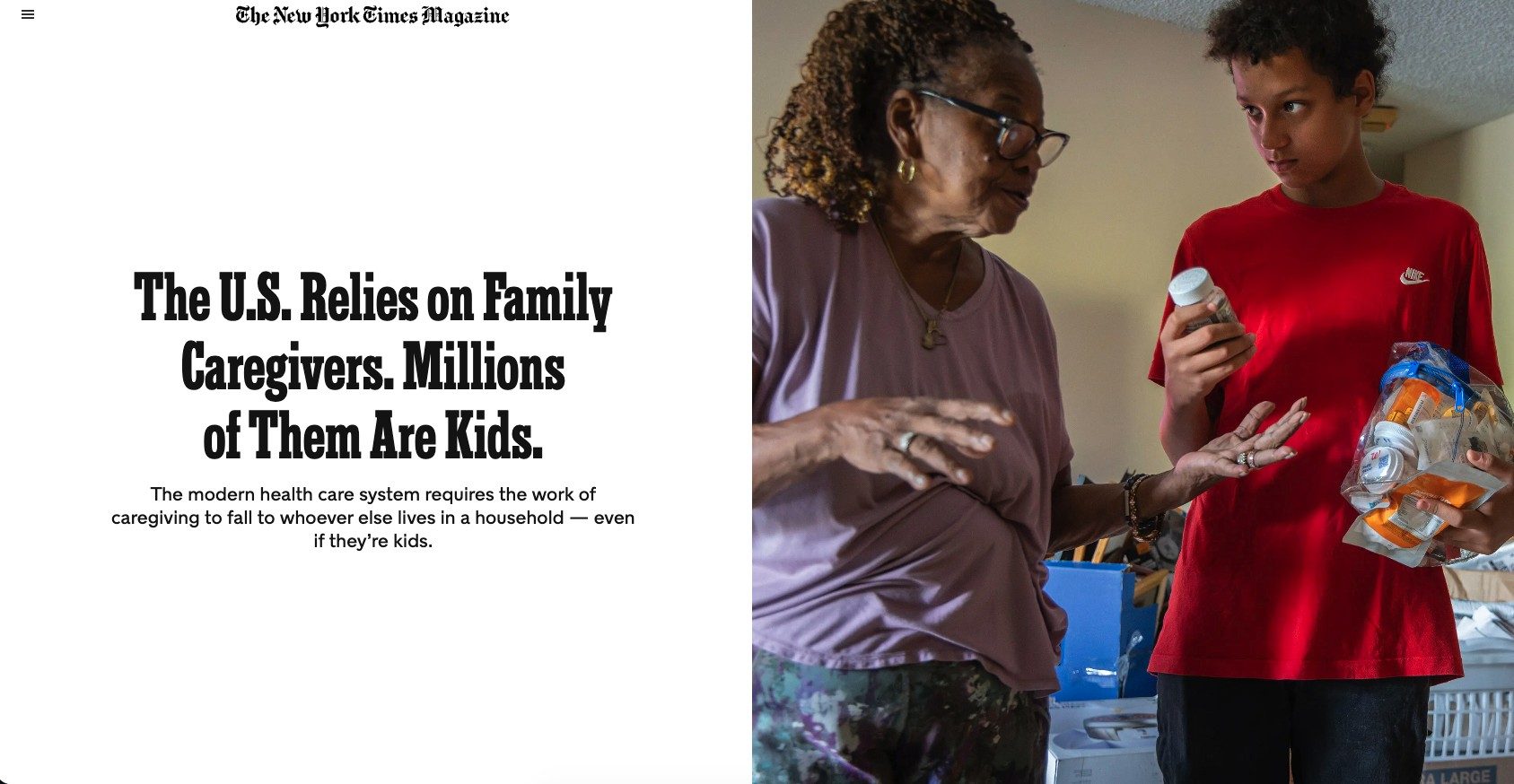
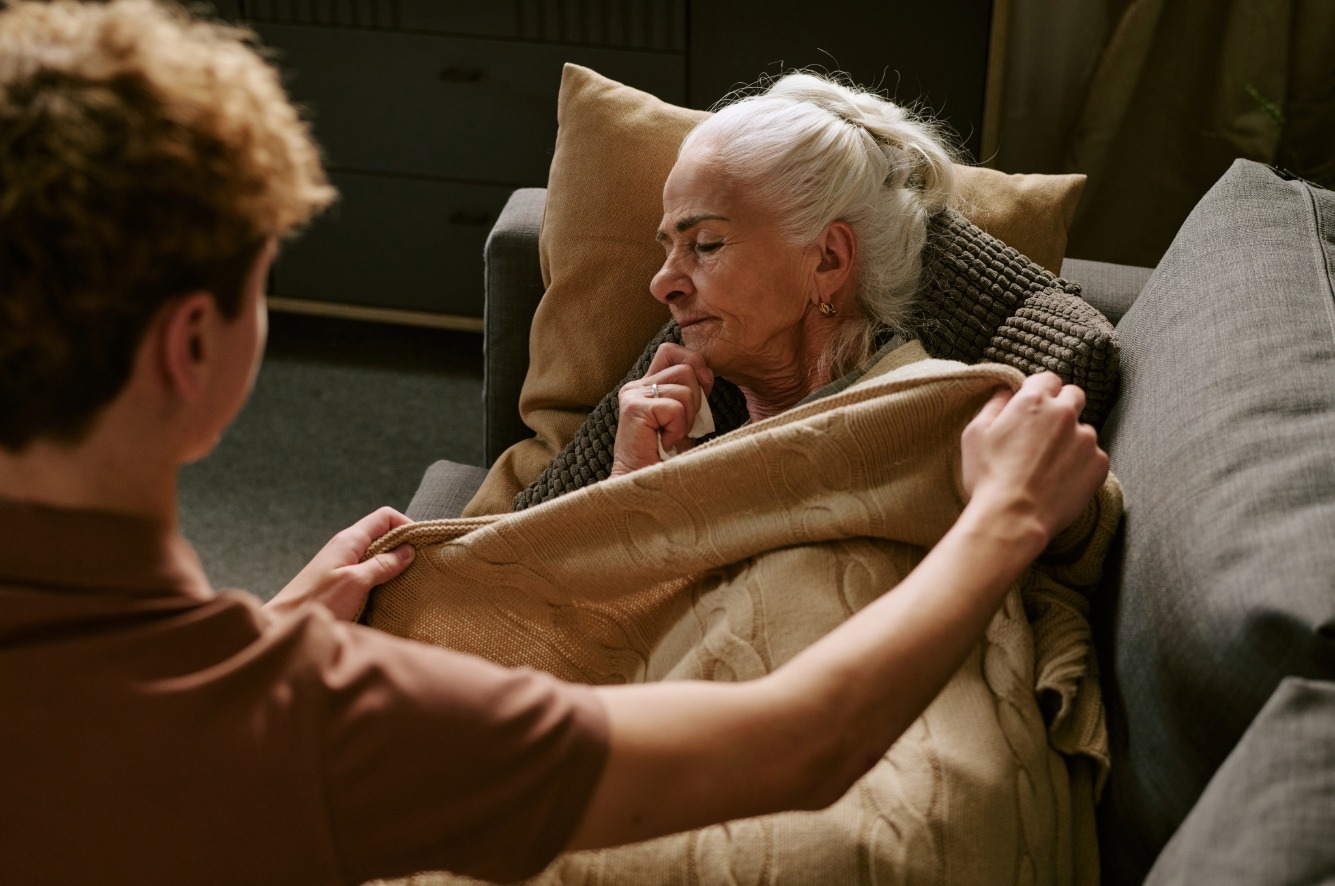
When we think of caregivers, we often picture adults: parents tending to children, or grown children caring for aging parents. But across the United States, millions of young people shoulder caregiving responsibilities every day. They are the caregiving youth, and they are far more common than most people realize.
The Numbers Tell the Story
- More than 5.4 million youth in the U.S. provide care for family members.
- In Colorado, 20.4% of high school students and 12.5% of middle school students report caregiving duties.
- In some districts, the figure rises to nearly one in three students.
These statistics reveal a reality that is often overlooked: caregiving youth are not rare exceptions, but a significant part of our communities.
Why They’re Invisible
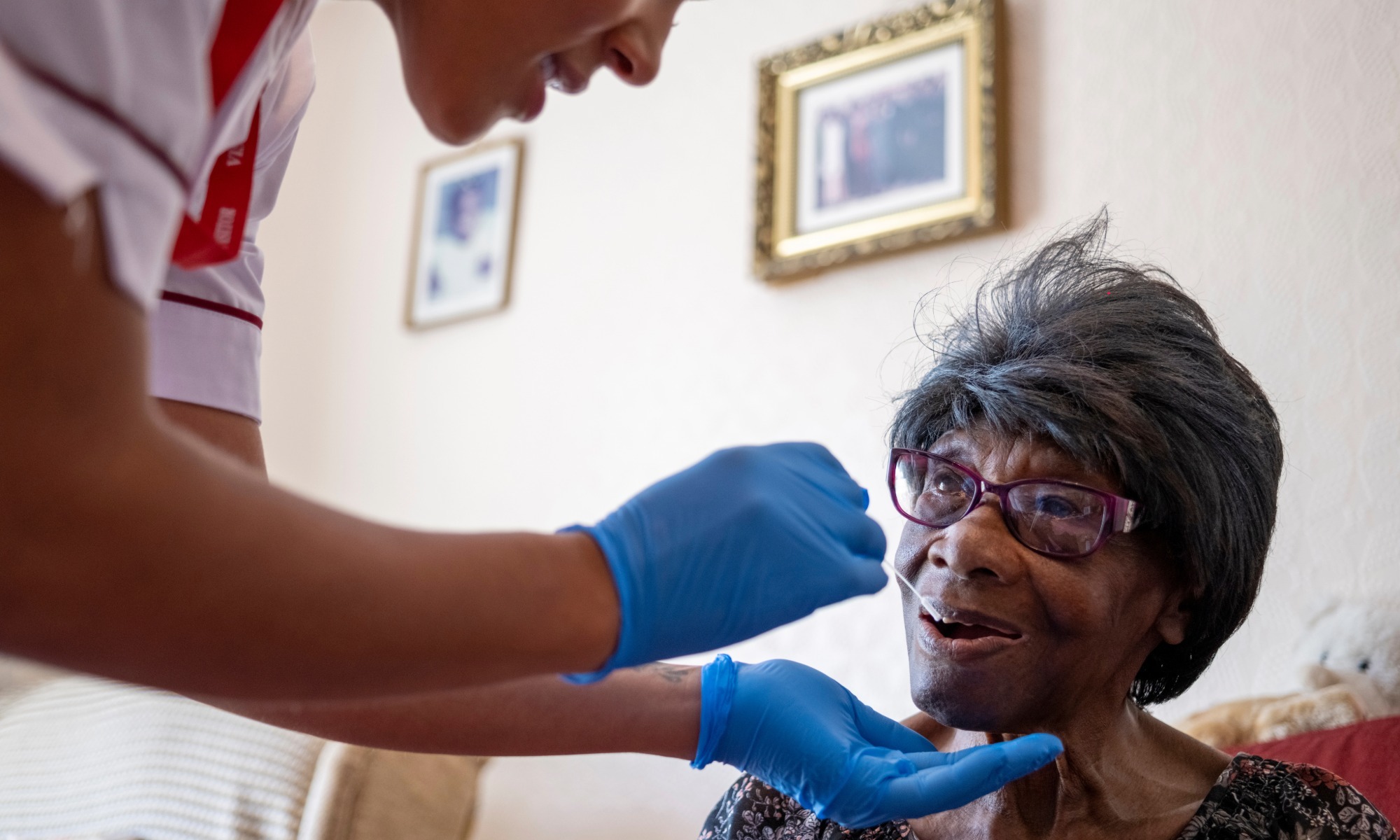
Caregiving youth often remain hidden because:
- Family privacy keeps their responsibilities behind closed doors.
- Cultural expectations normalize children stepping in to help.
- Schools and systems rarely ask the right questions to identify them.
As a result, many young caregivers struggle in silence, balancing homework, extracurriculars, and the emotional weight of caring for a loved one.
“Caregiving youth are the unseen strength of families, carrying love and responsibility far beyond their years.” – Yadley
The Human Side
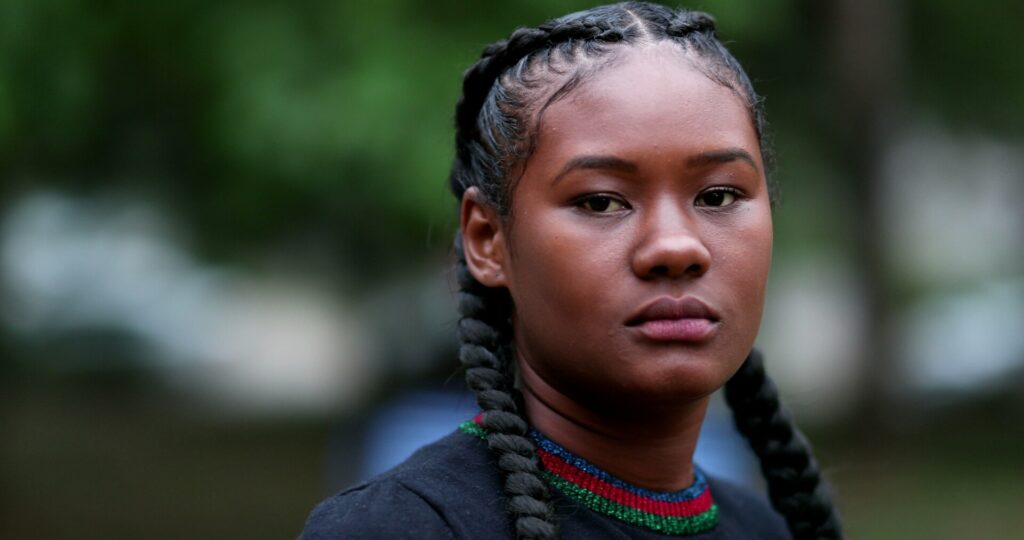
Take Belle, a teenager who cared for her grandfather while trying to keep up with her studies. She didn’t want applause or recognition; she wanted support. Her story reflects the quiet resilience of caregiving youth everywhere, who often feel unseen and unsupported despite the enormous responsibilities they carry.
Why Awareness Matters
Recognizing caregiving youth is not about labeling them, but about ensuring they receive the support they need. Awareness leads to:
- Better school accommodations for students balancing caregiving with academics.
- Validation and encouragement for youth who often feel isolated.
- Community resources that ease the burden on families.
Caregiving youth are the hidden backbone of many families. By acknowledging their role, we can build systems that support them, not just as caregivers, but as young people with dreams, ambitions, and the right to thrive.